The restoration works upstream to downstream. Each intervention strengthens the next.
Reforestation of degraded upstream slopes slows runoff and reduces erosion. Less sediment reaches the estuary. More rainfall infiltrates into the ground, recharging the aquifer instead of running off to sea.
The San José del Cabo aquifer has been overextracted by 3.4x since 1985. Removing invasive salt cedar — which consumes massive volumes of groundwater — and restoring native riparian vegetation improves natural recharge and reduces water loss.
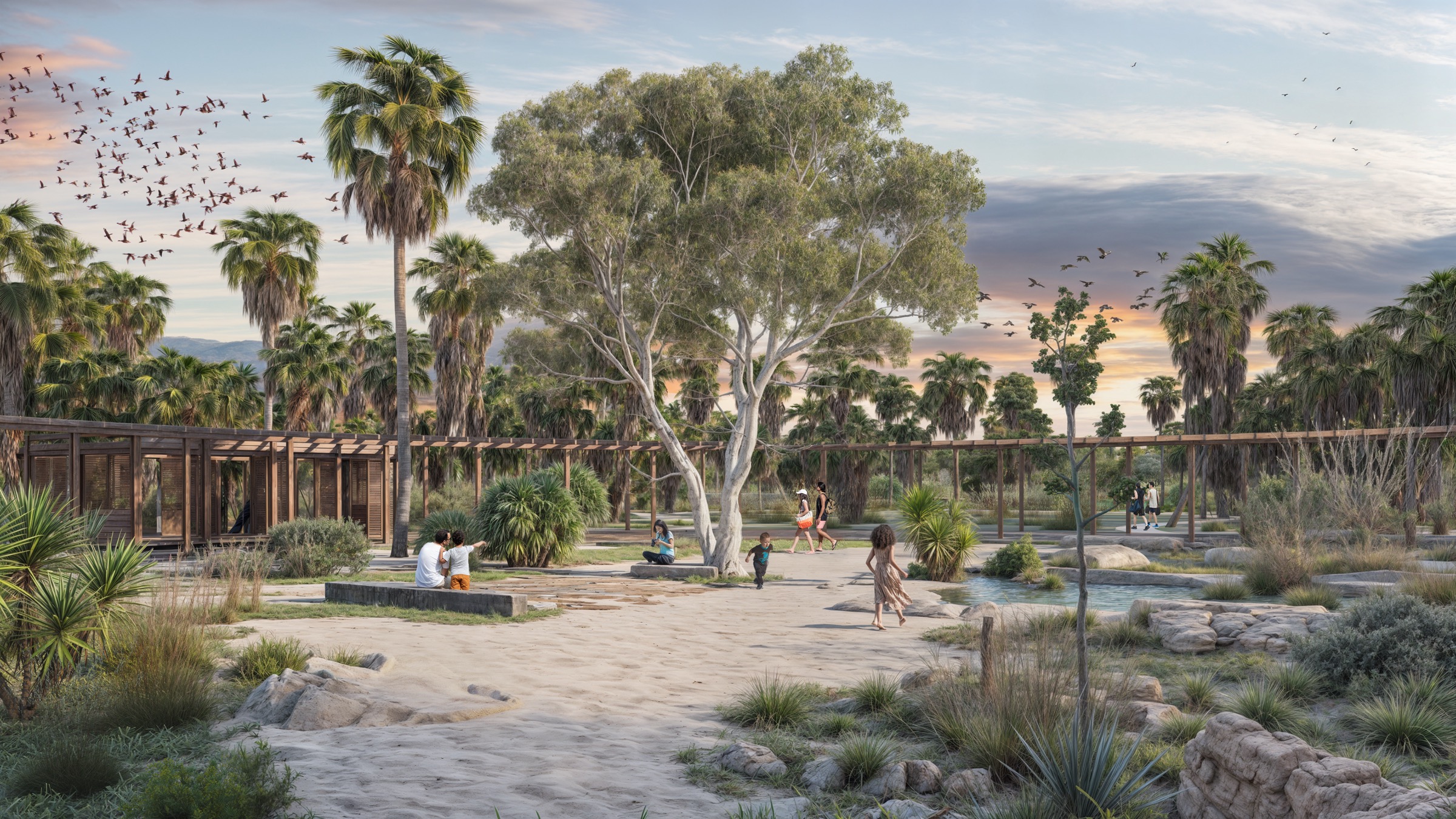
The estuary is the terminal expression of the entire system. Dredging accumulated sediment restores the water mirror. Clearing invasive water hyacinth reopens habitat. A healthy estuary means a functioning watershed, a recharging aquifer, and water security for the city.
The scientific and institutional foundation. Click any document to read.
Two years of technical assessment by four research institutions. The restoration plan was endorsed by the Scientific Sub-council in May 2025.
The 429-page Management Program was ratified into municipal law by the City Council of Los Cabos in October 2025.
In permanent advisory consultation with the Academic and Scientific Subcommittee, composed of:
The Advisory Council of the San José del Cabo Estuary State Ecological Reserve (REESJC) unanimously approved the 2025–2030 Regeneration Plan, with the joint vote of the Los Cabos City Council, SEMARNAT, CONAGUA, the Government of the State of Baja California Sur, UABCS, civil society organizations, neighboring residents, and FONATUR.
December 11, 2025
No single actor — government, landowner, NGO, or funder — controls the initiative. A nested governance model coordinates federal, state, and municipal jurisdictions within a single operational framework, modeled on the organizational structure of Pronatura, Mexico's leading conservation organization. Financial oversight by PwC audit.